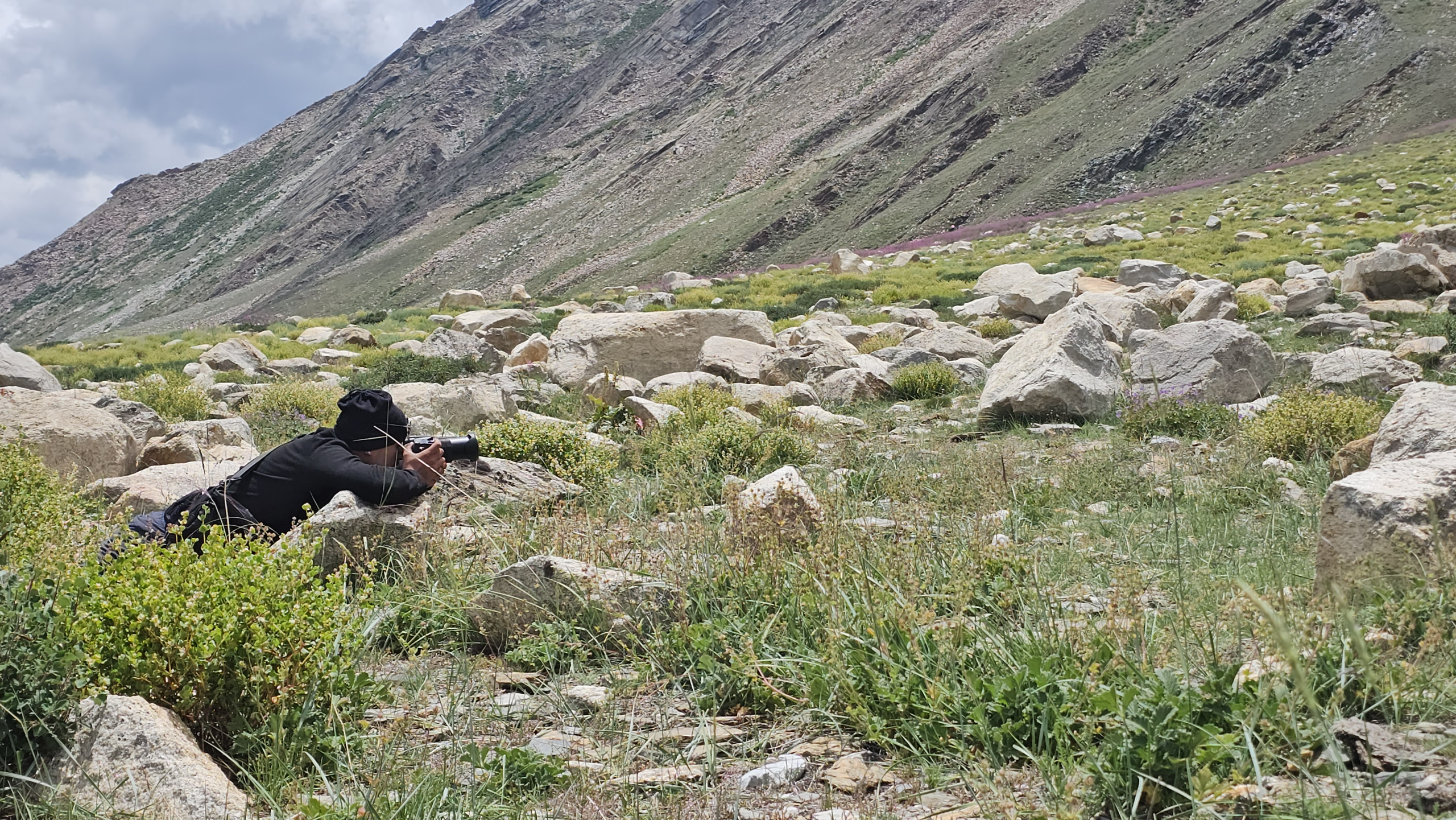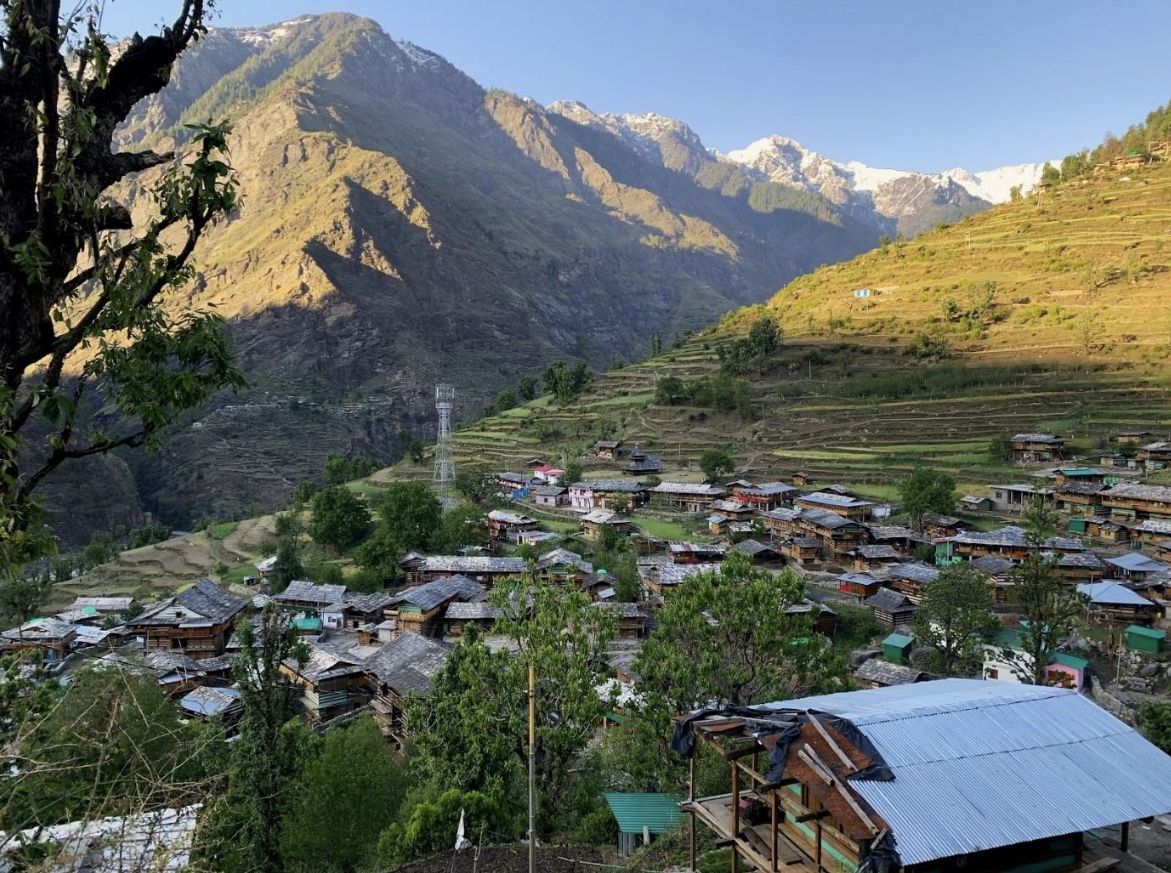
Nature isn’t just something we admire from a distance—it’s what keeps life going. Forests clean our air, rivers provide drinking water, and wetlands protect us from floods. But as cities grow, forests shrink, and pollution spreads, wildlife is losing the places it calls home. Habitat conservation isn’t just about saving endangered animals—it’s about protecting the very ecosystems that keep our planet healthy. So, what can we do to stop the damage and restore balance?
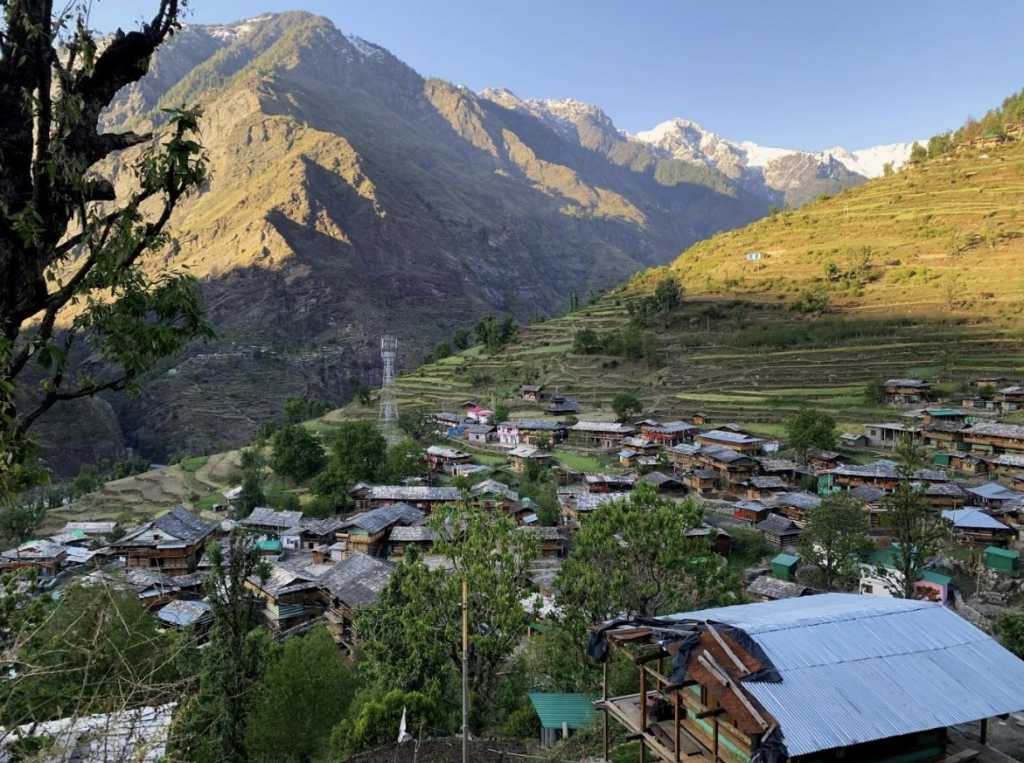
A lush, thriving forest—an example of how habitat conservation protects biodiversity and maintains ecological balance.
Why Habitat Conservation Matters
Habitat conservation is about protecting and restoring these natural environments so that wildlife and ecosystems can continue to function as they should. It’s not just about saving animals; it’s about ensuring a healthy planet for future generations.
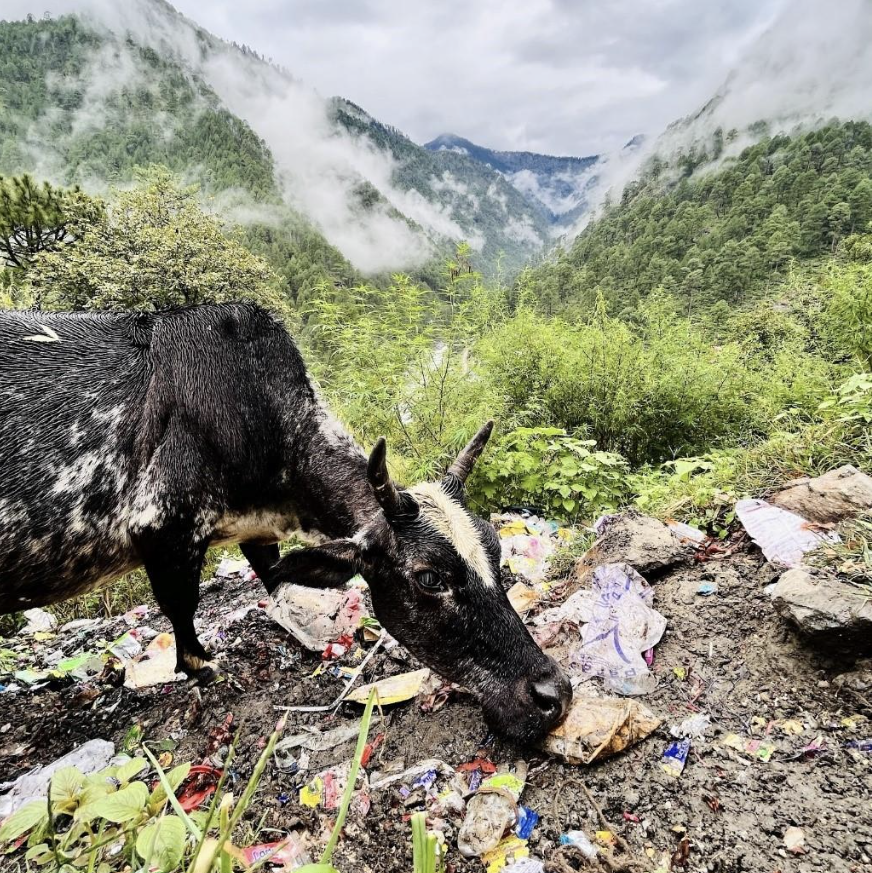
A cow rummages through plastic waste, highlighting the urgent need for habitat conservation and responsible waste disposal.
What Are Natural Habitats?
A habitat is any environment where a plant or animal naturally lives. These can be forests, grasslands, rivers, oceans, or even wetlands. Each habitat provides food, shelter, and the right conditions for species to survive.
For example:
- Forests provide homes to over 80% of the world’s land animals, including tigers, elephants, and countless bird species.
- Wetlands act as natural filters, cleaning pollutants from water while supporting fish, amphibians, and migratory birds.
- Coral reefs protect coastlines and are home to thousands of marine species.
When these habitats are damaged or lost, the plants and animals that depend on them struggle to survive. This is why habitat conservation is a key focus for environmental groups like Waste Warriors.
What Threatens Wildlife Habitats?
Habitat destruction is one of the biggest threats to biodiversity. It happens for many reasons:
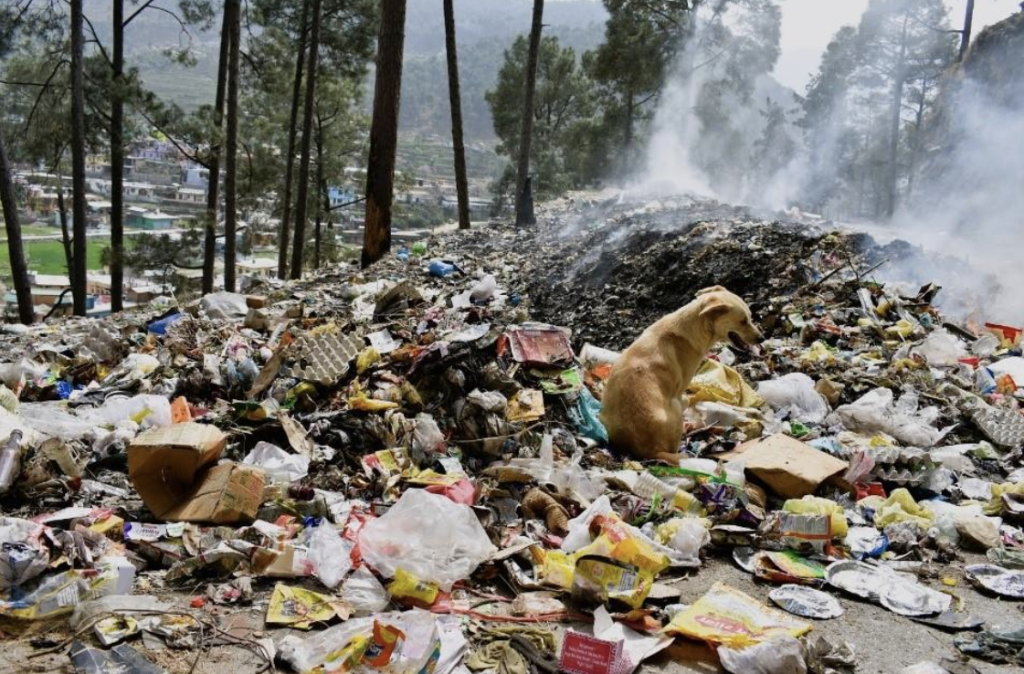
A stray dog feeding on plastic packaging in front of a pile of burning plastic waste – an alarming reminder of how pollution threatens wildlife and ecosystems.
- Deforestation :Forests are being cleared at alarming rates for agriculture, urban development, and logging. According to the World Resources Institute, the world lost over 11 million hectares of tree cover in 2022 alone. When forests disappear, so do the animals that live in them.
- Pollution: Littering and improper waste disposal harm habitats. Plastic waste clogs rivers and oceans, endangering marine life. Chemical pollutants poison soil and water, making it difficult for plants and animals to survive. Organizations like Waste Warriors work to reduce this impact by promoting responsible waste management.
- Climate Change:Rising temperatures, extreme weather, and shifting rainfall patterns are disrupting ecosystems worldwide. Many species struggle to adapt, leading to population declines. Protecting habitats can help buffer against these changes bymaintaining natural carbon sinks like forests and wetlands.
- Urban Expansion:Cities and infrastructure projects often encroach on wildlife habitats. Expanding road networks, buildings, and industries replace natural spaces with concrete, leaving animals with nowhere to go.
How Habitat Conservation Helps
When we protect and restore habitats, we create a better world for all living beings. Some key benefits include:
- Protecting Biodiversity: Healthy habitats support a wide range of species. By preserving these areas, we help prevent extinctions andmaintainthe balance of ecosystems.
- Ensuring Clean Air and Water:Forests and wetlands filter pollutants, purify water, and produce oxygen. Without them,air and water quality decline, affecting both wildlife and human health.
- Reducing the Impact of Climate Change:Trees and plants absorb carbon dioxide, one of the main greenhouse gases driving climate change. Protecting forests and wetlands helps slow down global warming.
- Supporting Sustainable Livelihoods:Many rural communities rely on natural habitats for food, medicine, and income. Conservation efforts that promote sustainable resource use benefit both people and wildlife.
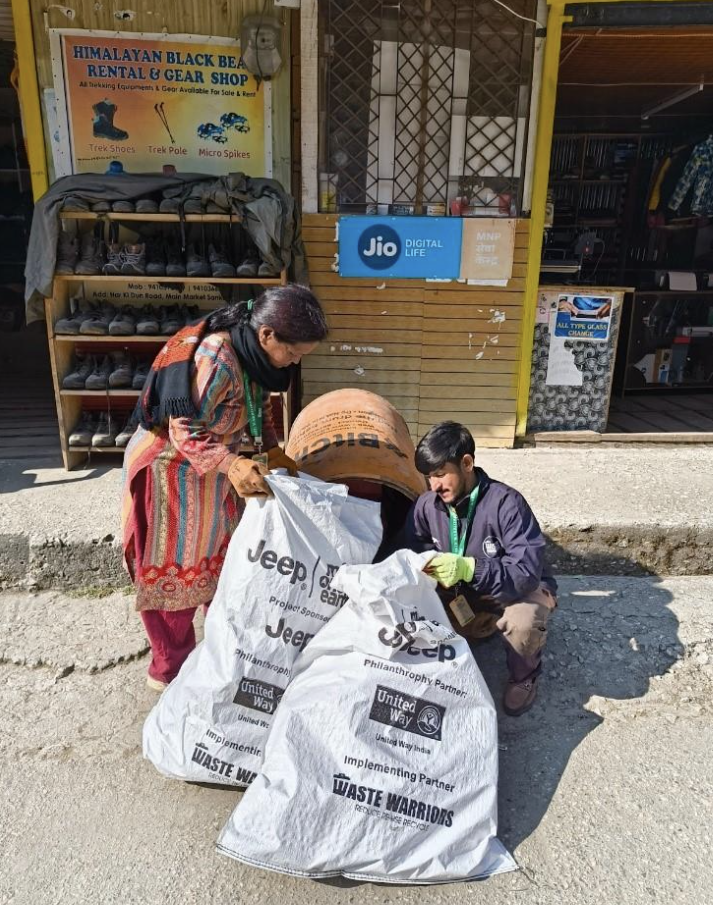
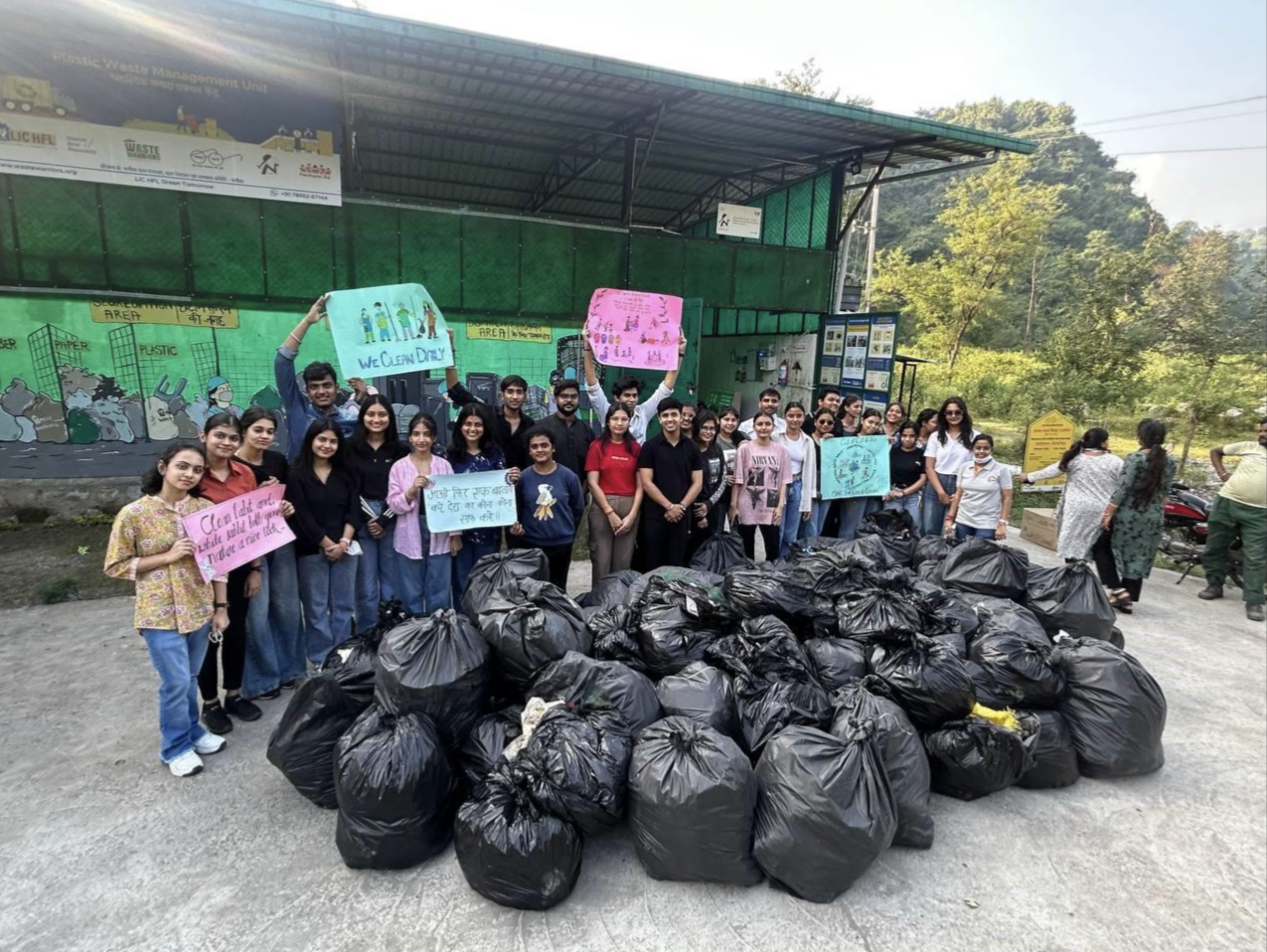
Waste Warriors team in action, restoring natural ecosystems by removing plastic waste from sensitive habitat
Protecting Habitats Through Waste Management
Habitat conservation and waste management are closely connected. Waste Warriors, an organization working across India’s Himalayan region, focuses on reducing pollution and improving waste systems to protect the environment.
Some of their key projects include:
- Forest Cleanup Drives – Removing plastic waste and other pollutants from fragile ecosystems.
- Community Awareness Programs – Educating locals about responsible waste disposal to prevent environmental damage.
- Sustainable Waste Management – Setting up waste collection and recycling programs to reduce pollution in natural habitats.
By tackling plastic pollution and promoting sustainable waste practices, Waste Warriors helps protect habitats from degradation.

Community-led habitat conservation efforts in the Indian Himalayas, protecting forests and wildlife from waste pollution.
How You Can Help
Everyone can play a role in habitat conservation. Here’s how:
- Reduce, Reuse,Recycle: Minimize waste by choosing reusable products, recycling properly, and avoiding single-use plastics.
- Support ConservationOrganizations: Groups like Waste Warriors work to protect natural spaces. Donations, volunteering, or simply spreading awareness can make a difference.
- Plant Trees and Protect GreenSpaces :Reforesting degraded land and protecting existing greenery helps preserve biodiversity and combat climate change.
- Be a ResponsibleTourist :When visiting nature reserves or forests, follow eco-friendly practices—avoid littering, respect wildlife, and use sustainable products.
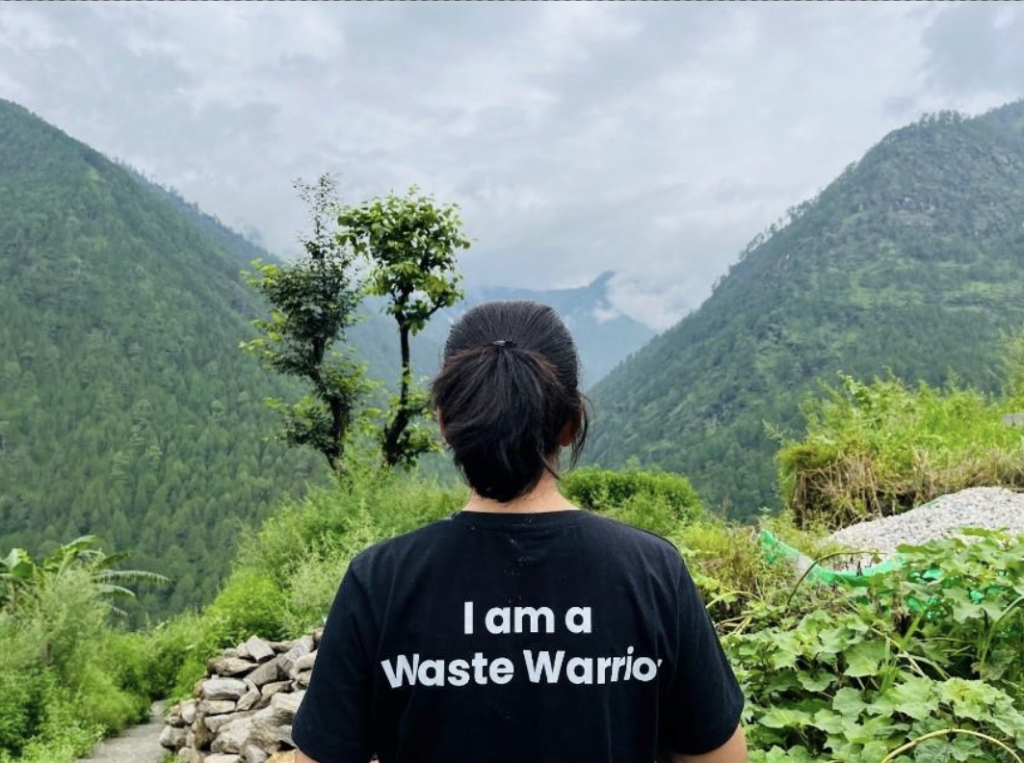
Volunteers participate in a grassroots habitat conservation initiative, ensuring cleaner and safer environments for local wildlife. Become a Waste Warrior today, head over to our