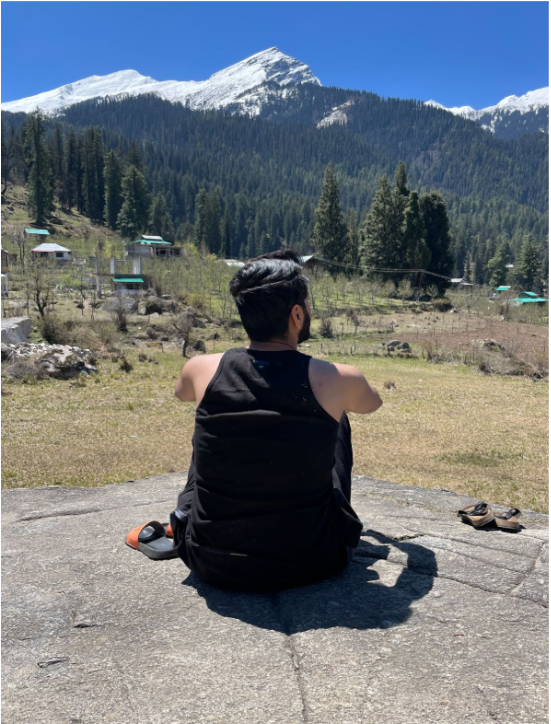
Kalga Village, April 2023
Sitting Still, Basking in Kalga Village
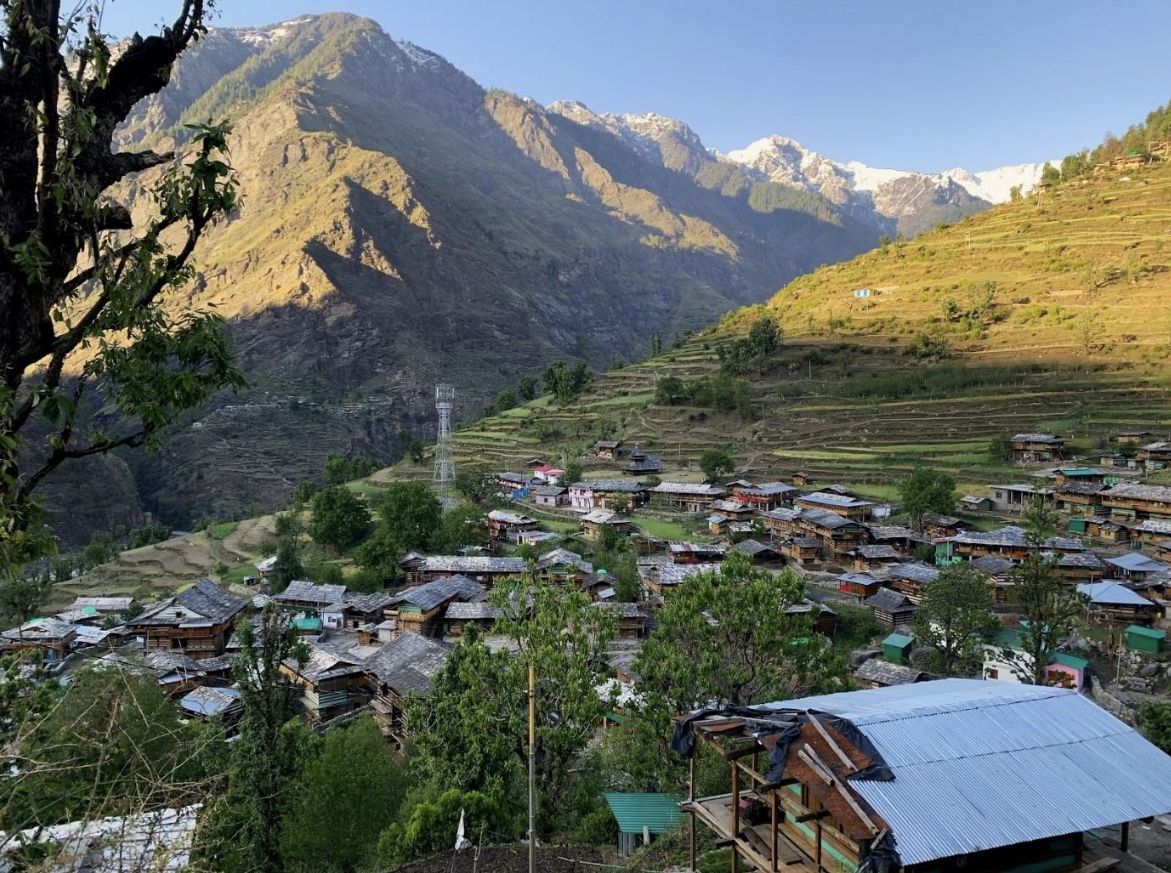
Two spring seasons ago, I was sitting with my friend on a huge boulder facing the Parvati Valley. The sweet sun was warming our skin at noon post-lunch, a soothing experience we rarely find in our cities or towns during the month of April. Anxiety and stress are common in our lives today, and it was the same for both of us. The valley tried its best to alleviate our worries. At that moment, I thought about many things: how much and how long this place can sustain tourists like us? My parents might have missed such views, but I don’t want my children or anyone else’s children to miss experiencing this beauty. This fear led me to discover the term “sustainable tourism.” The values were already in me somehow, but I was not aware of their intricacy. Now that I know, I believe it is crucial to ensure that future generations can enjoy these natural wonders.
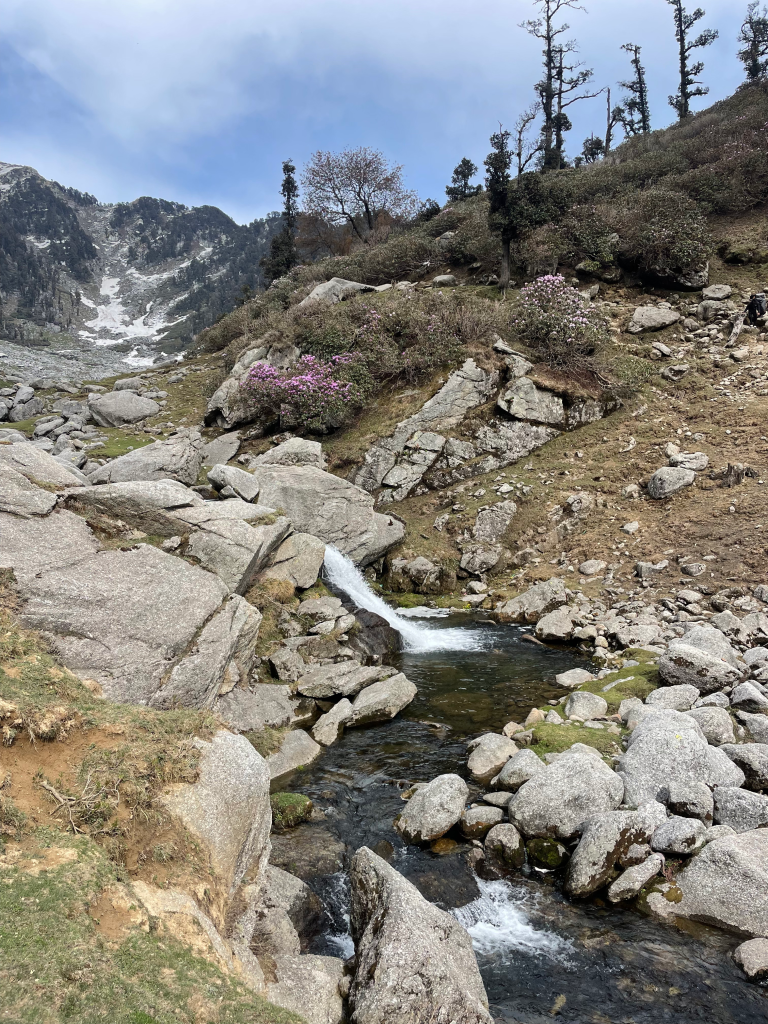
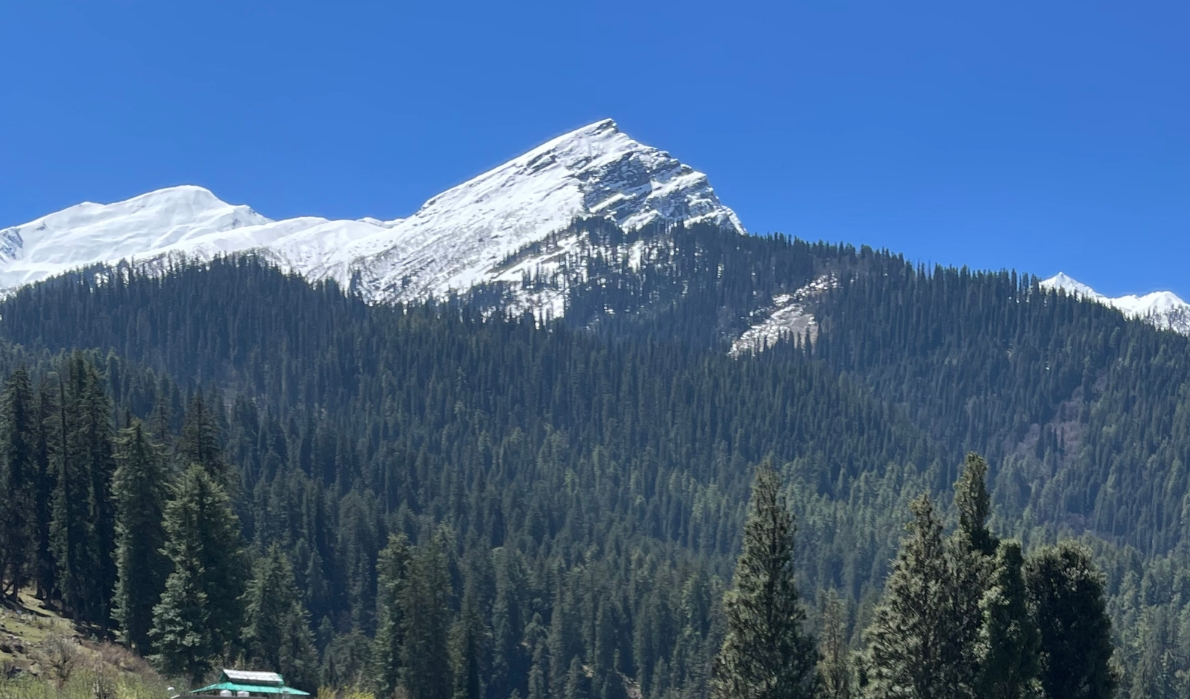
Picturesque view of Kareri
Dreaming of Distant Lands, Fearing Their Fate
Moving forward, I remember us talking about Lake Como someday. Looking at the current condition, I was skeptical, whenever we were capable of visiting Como or Mount Fuji, if things would change. The fear returned. From a very young age, I didn’t understand the science behind it or the aftermath exactly, but I knew litter and trash were not good. I used to, and still do, carry my trash in my pocket or bag and sometimes forget to throw it out, piling it up. This behavior likely developed from my mum or my love for nature. I enjoy the place for its beauty and would not want to see it littered, so why should I contribute to that? Sustainable tourism practices, such as carrying out our trash, are essential to preserving the beauty of these destinations. But that’s not just it, supporting local businesses, respecting wildlife, and minimizing our carbon footprint contribute significantly to maintaining the ecological balance, which is the whole point of stirring this conservation. How do we incorporate sustainable practices into our travels? What other actions do you think are crucial for promoting sustainable tourism?
Cravings & Consciousness
Currently working with Waste Warriors, I was never perfect. I loved having packed food, especially while traveling. It’s been a slow process, but I have made some internal changes. I literally had no soda and just a packet of chips in my two weeks’ stay here at Dharamshala so far. Now I know that preaching recycling is as easy as plates waiting for us at the dinner table, but the process of thinking about what to cook, then chopping, washing, cooking, serving, and cleaning the dishes is a lot. Recycling is no less complicated. The key is to be conscious about disposal and gradually make significant behavioral changes, just like we develop habits from people and places as we grow from teenagers to adults. Sustainable tourism involves making conscious choices to reduce waste and protect the environment.
My friends think that I’m in Dharamshala enjoying the chill weather. Little do they know that times have changed, so has the climate, and the alignment of tourism and waste management is one of the culprits. It’s not just the authorities or the community to blame, but everyone. If you live or travel, you inevitably consume and create waste.
Kareri: A Quiet Reckoning
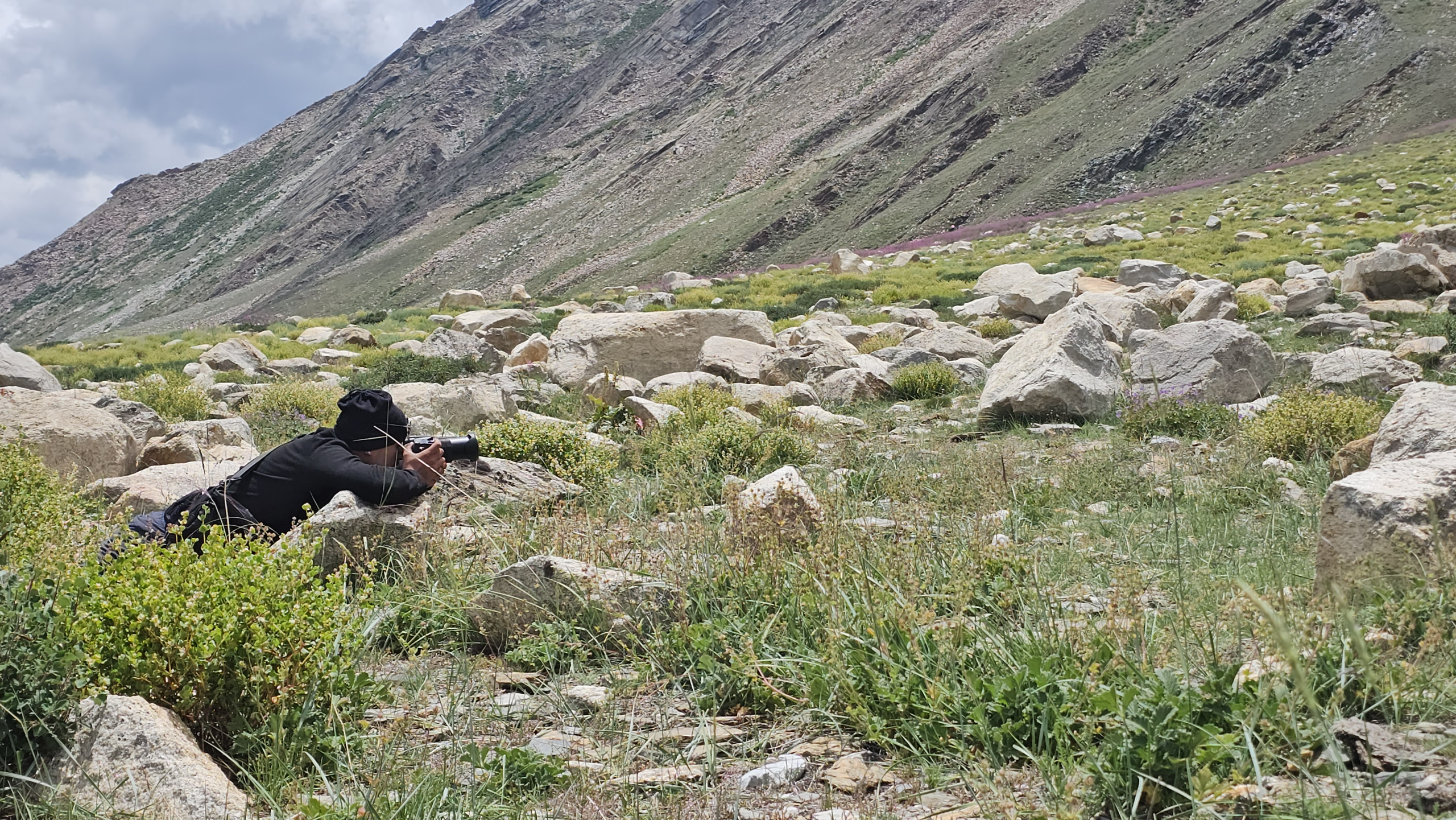
To escape the summer heat, I recently went on a trek from Kareri Village to Kareri Lake in the Dhauladhar range. We started smoothly, but the 6-hour uphill trek was challenging. All our exhaustion disappeared as we passed by waving rhododendrons, the songs of the stream and cicadas, the black ice sheet testing us, and the dramatic weather every other minute. When we reached our camp, I felt life was worth living for that moment. Watching the mountains and the gorgeous Kareri Lake exceeded our expectations, unlike some things (tourists and their litter). Every one of us visiting these places is aware of the harm caused by our presence and the aftermath of our actions. A quick and effective exposure to the ideas of sustainable tourism might increase the number of conscious people. You can keep your room dirty, and it would only affect you, but such pristine environments are shared spaces, and nobody wants them covered in litter and waste. Imagine returning to Kareri with my friends after five years and seeing floating chips packets and soda cans. It’s not a pretty scene for us who visit for a while with cramps on our feet, and importantly, not for the community and other species who call Kareri their home.

Clean-Up at Kareri Lake
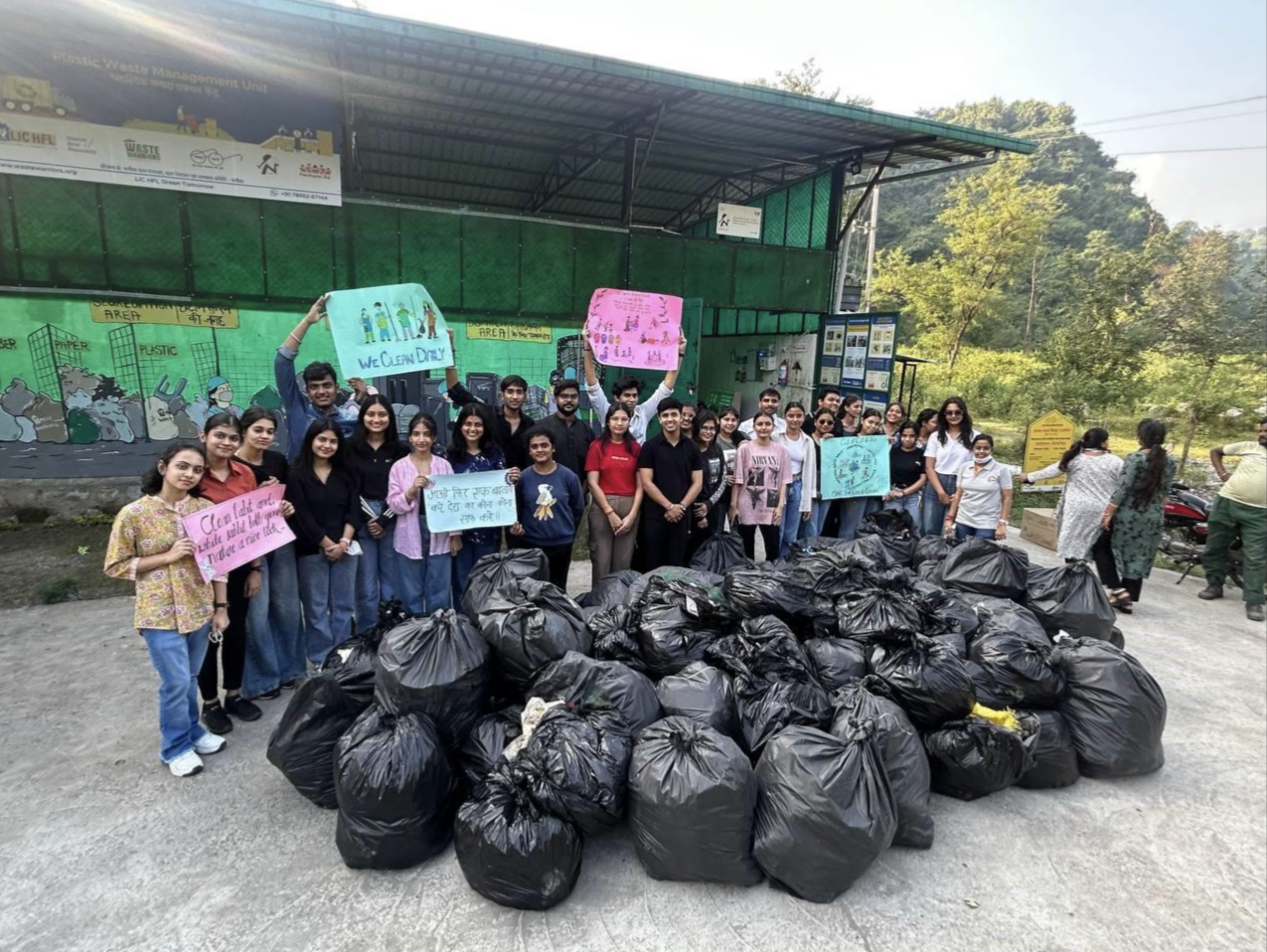
This brings me to another part of this conversation: the waste and trash we carry and dispose of in such sacred and breathtaking places. The shards of glass and plastics made me feel dismay at times. We didn’t have a bigger bag, but we tried our best to pick up the trash on our way, simultaneously enjoying the view and the morning sun. We carried our waste and the waste we collected to our Waste Warriors segregation center, where the dry waste would be sent for processing. This trash could have been left at the nearest dustbin uphill, but what would be the point if it were to be burnt into smoke and not utilized, lessening the harm it would cause? It’s not a lot, but the locals are aware and lauded this initiative. If three of us did it and more joined, it could lead to a significant behavioral change. Behavioral change is important, not that we should completely avoid consuming packaged materials or goods, but conscious consuming behavior and proper disposal can be more helpful than it seems. Sustainable tourism involves responsible waste management and community engagement.
There are two things we ought to preach for now and later: sustainable tourism and responsible tourism. Tourism is a good opportunity for the community and a retreat for people like us. Since I started interning at Waste Warriors, I’d like to say it’s not easy to collect waste or recycle it, both physically and financially. All our actions might seem small, but the strenuous walk we took made us reach the lake. Similarly, we will reach a better community with more consciousness about the places we live and love. It’s going to be slow, but we have started walking. Let’s make our friends and family walk so that the children of the future can take pretty Instagram pictures as well. It’s not that I have it in me because I joined IIFM or Waste Warriors; it’s the child in me who has always loved nature and people. To love is to protect.

A warm Assamese meal at Goalpara, Assam
Policy Meets People
Now, how do we get the reach and get everyone to have a good grip on it? Effective policy governance! Policies that promote responsible investments, public-private partnerships, and community engagement are crucial. These policies help create a framework that supports the long-term sustainability of tourist destinations. Governance ensures that tourism development aligns with environmental, economic, and sociocultural goals, fostering a balanced approach to growth and conservation, which is the foundation of sustainable tourism.
Stakeholders like the community play a strong role in making sustainable tourism more effective. Communal unity is vital for sustainable tourism. When local communities are united and actively participate in tourism planning and management, it leads to more resilient and sustainable outcomes. Community involvement ensures that tourism benefits are shared equitably and local traditions and cultures are preserved. This unity also fosters a sense of ownership and responsibility towards the environment, encouraging sustainable practices, which is crucial alongside environmental and nature conservation. If there’s a community, then their culture is their personality. And obviously, we can’t vibe without understanding or getting along with someone’s personality, right?
Places & their Personality
Preserving cultural heritage is key to keeping sustainable tourism lively. Ecosphere at Spiti is a prime example of cultural tourism promoted by sustainable tourism. It’s like a friend who makes us realize things beyond parties, like spirituality or deep conversations. Integrating cultural heritage into tourism strategies not only enhances visitor experiences but also contributes to the economic development of local communities. By promoting cultural tourism, destinations can preserve their unique identities and traditions while attracting tourists who value authentic experiences. This approach ensures that cultural heritage sites are protected and maintained for future generations, like the experience I had during my fieldwork in Assam with the Rabha tribe, indulging in their cuisines, way of living, and livelihoods.
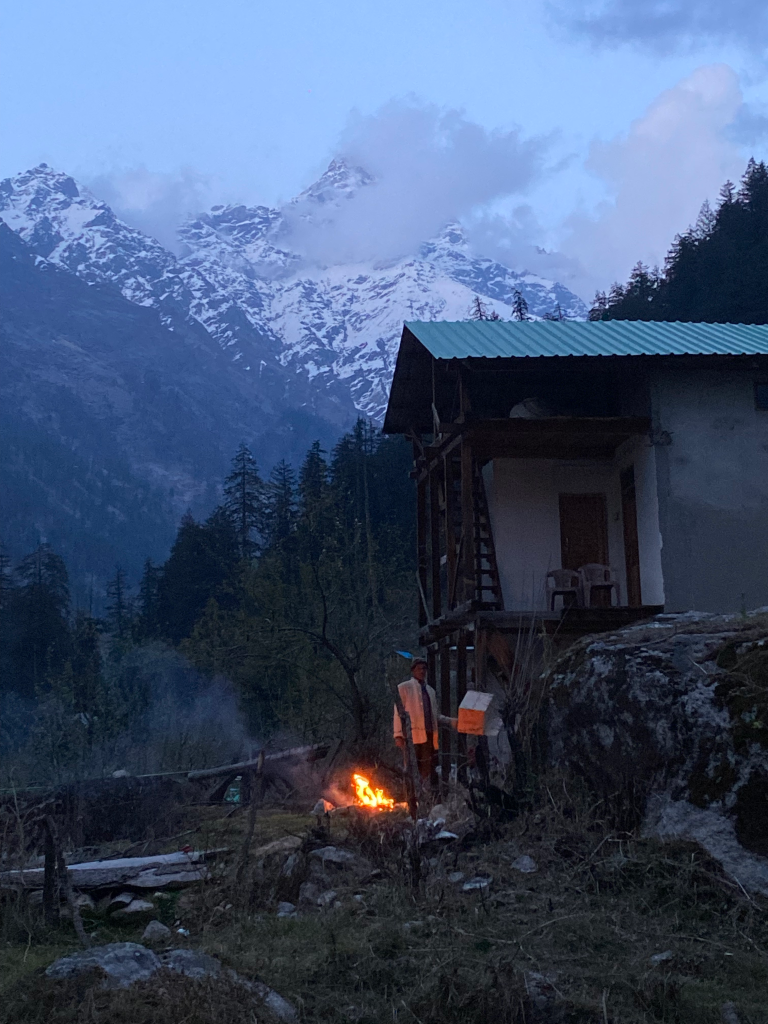
A local accommodation at Kalga
It takes two to tango, and in this case, it would take billions of us together to make it work. Responsible tourism is closely linked to sustainable tourism. While sustainable tourism focuses on the overall sustainability of the tourism industry, responsible tourism emphasizes the actions and behaviors of individuals, businesses, and communities. Responsible tourism practices, such as reducing waste, respecting local cultures, and supporting local economies, contribute significantly to the sustainability of tourism destinations. By adopting responsible tourism practices, we can minimize the negative impacts of tourism and maximize its positive contributions to the environment and society.
( Click here to learn more about Responsible tourism, and the correlation with Effective Waste Management )
Examples of Sustainable Tourism Practices
Community participation in sustainable tourism in India is not a novel development, but good things can and must be repeated.
- One of them is NotOnMap, which specializes in rural travel technology, where they create new experiences in rural areas and in culturally rich pockets. To facilitate economic sustainability, they find genuine country spots and partner with local families to provide accommodations, activities, ethnic food, traditional crafts, village tours, and storytelling to keep the communities afloat and maintain their culture.
- Himalayan Ark is a pioneer of nature-based community-owned rural tourism in the Kumaon Himalaya, pioneering homestays operated by local families of the mountain, guided tours, and immersion in day-to-day life in the mountain so as to foster social and environmental sustainability through social justice and protecting the natural environment.
- India Untravelled is social responsible traveling in rural and offbeat areas of India where the local communities are used to run farm stays, homestays, and village stays enabling the tourists to experience the local celebrations, folk songs, and foods, helping to maintain cultural sustainability to maintain the traditional lifestyles and propagate the local culture.
- Ecosphere at Spiti is a social enterprise that promotes responsible tourism at the Spiti Valley, providing environmentally friendly tours, volunteering opportunities, and treks, and collaborating with the local inhabitants to preserve the local handicrafts and encourage sustainable farming. Their activities have had major successes, including the installation of solar lights in villages and the development of sea buckthorn to favor environmental sustainability through carbon footprint reduction and renewable energy. These organizations reveal the potential of community participation in tourism to provide sustainable development, cultural conservation ,and economic empowerment to locals.
Waste Management in Tourism
We’re close to the end of this article on sustainable tourism, but it’ll never be the end of our efforts since tourism is a big part of our lives at present and maybe forever. The tourism industry generates significant amounts of waste, and managing this waste is essential for protecting the environment and supporting local communities.
Best Practices for Waste Management in Tourism
- Reduce Single-Use Plastics
- Promote Recycling
- Opt for Sustainable Accommodations
By embracing sustainable tourism practices, we can ensure that the natural beauty and cultural heritage of destinations around the world are preserved for future generations. Let’s make conscious choices and encourage others to do the same, so that the children of the future can enjoy these wonders just as we do today. Take a stroll together with our warriors, share it with your peers and family so that next year when we think of rhododendrons, we expect them to bloom by spring and not midsummers or late winters.

Gojesh Konsam
Student, Indian Institute of Forest Management, Bhopal