“We have to rethink our relationship with waste. We need to shift the focus on how waste was once significant to us.” — Loda Ji, Youth Mission for Clean River-Arunachal Pradesh
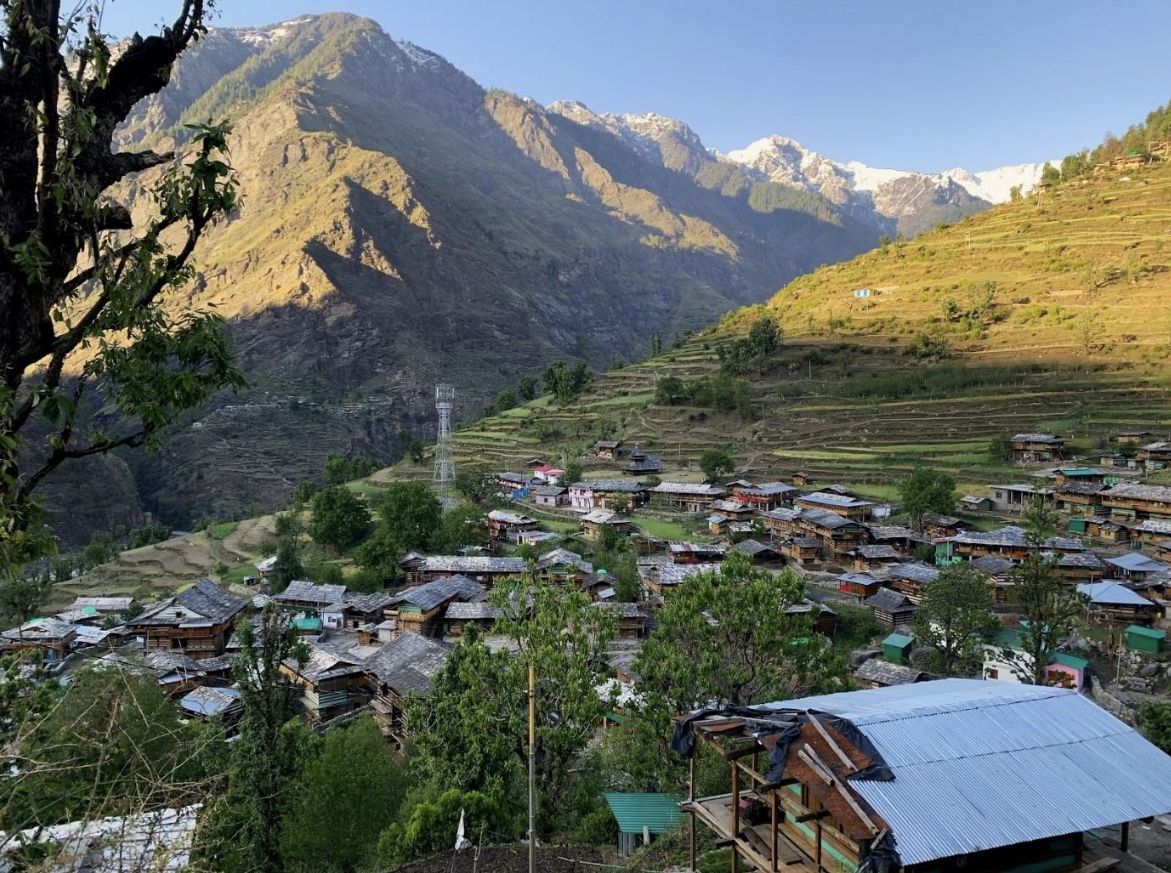
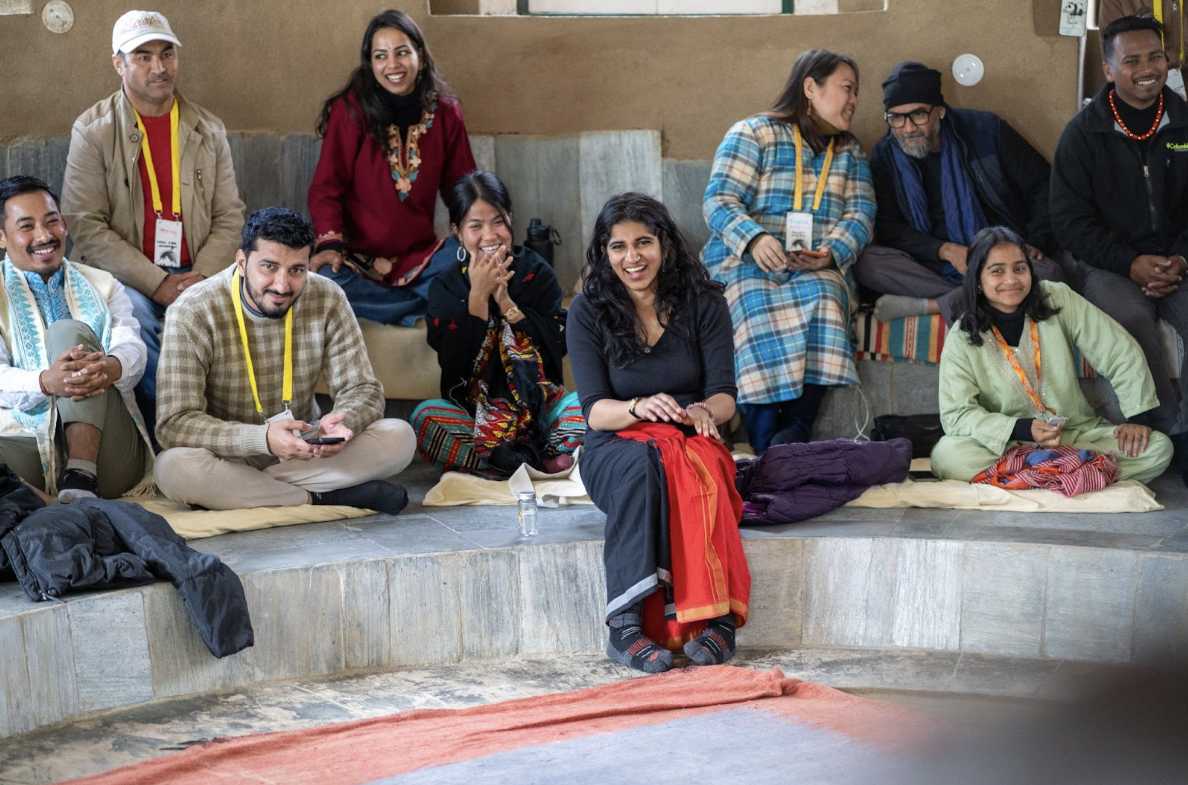
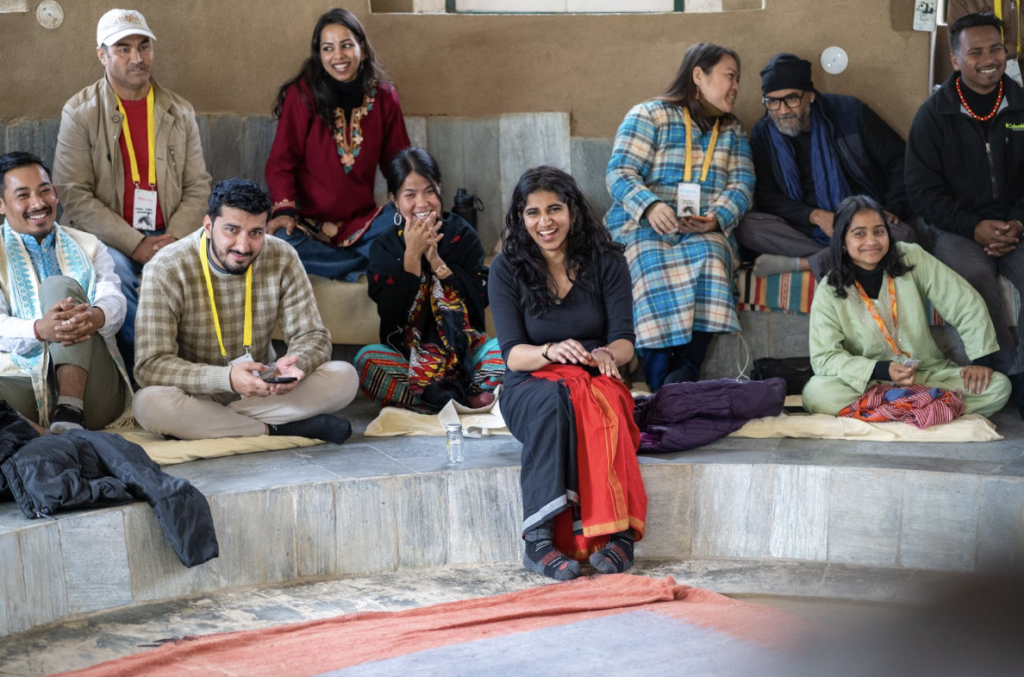
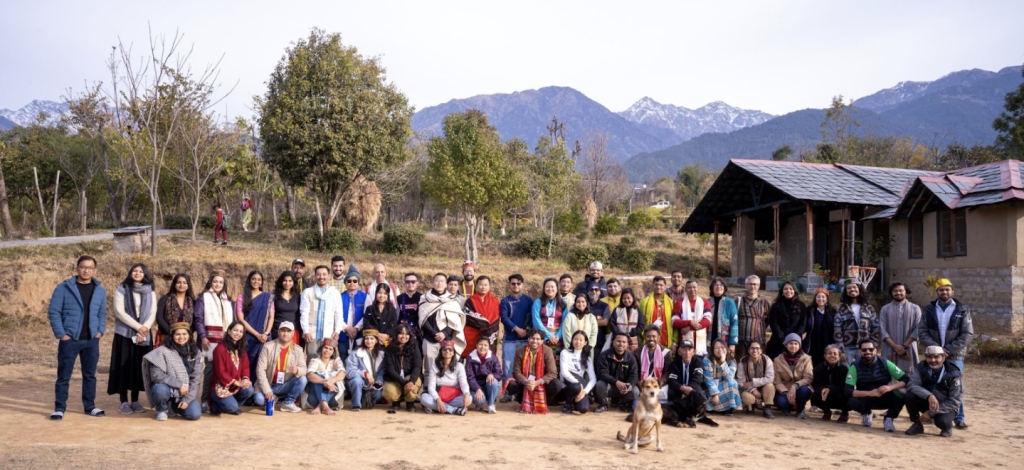
In the hills of Palampur, 40 warriors gathered—not with banners and slogans, but with stories, struggles, and solutions. There was no stiff conference hall, no corporate presentations. Instead, there was a circle of change-makers—grassroot organizations, climate activists, researchers, policymakers, and government officials—who had come together to tackle one of the biggest environmental challenges of our time: waste management in India with a focus on the Indian Himalayan belt covering 13 Indian states.
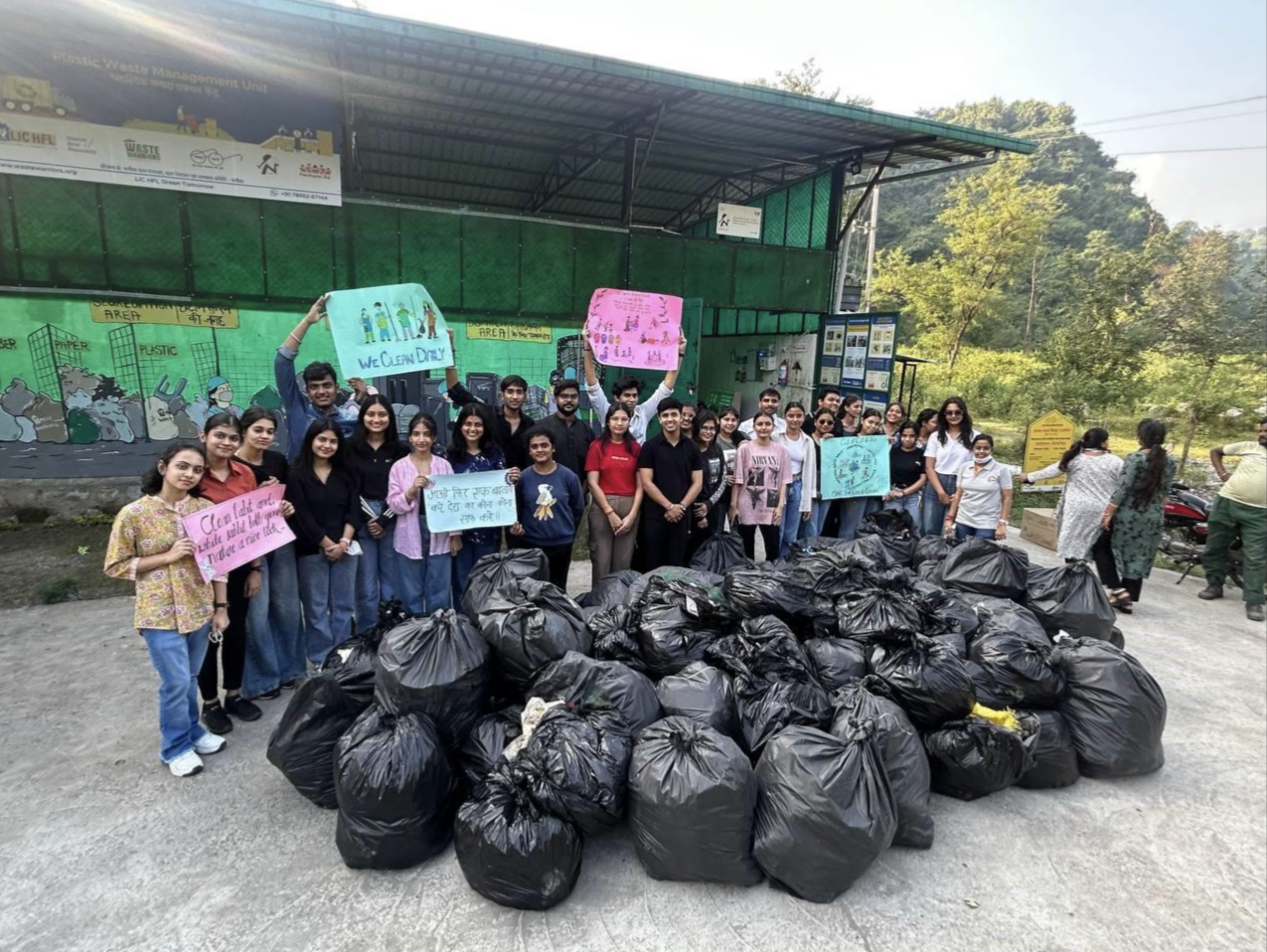
Overflowing landfills, unregulated dumping, and burning waste threaten fragile ecosystems. These mountain cleaners had seen first-hand how plastic pollution chokes rivers, endangers wildlife, and worsens climate change. But most importantly, they came ready to do something about it.
Summit’25 – The Mountain Cleaners, hosted at Sambhaavna Institute, Palampur, was a four-day gathering supported by the Rainmatter Foundation, aimed at harnessing the power of collective change.
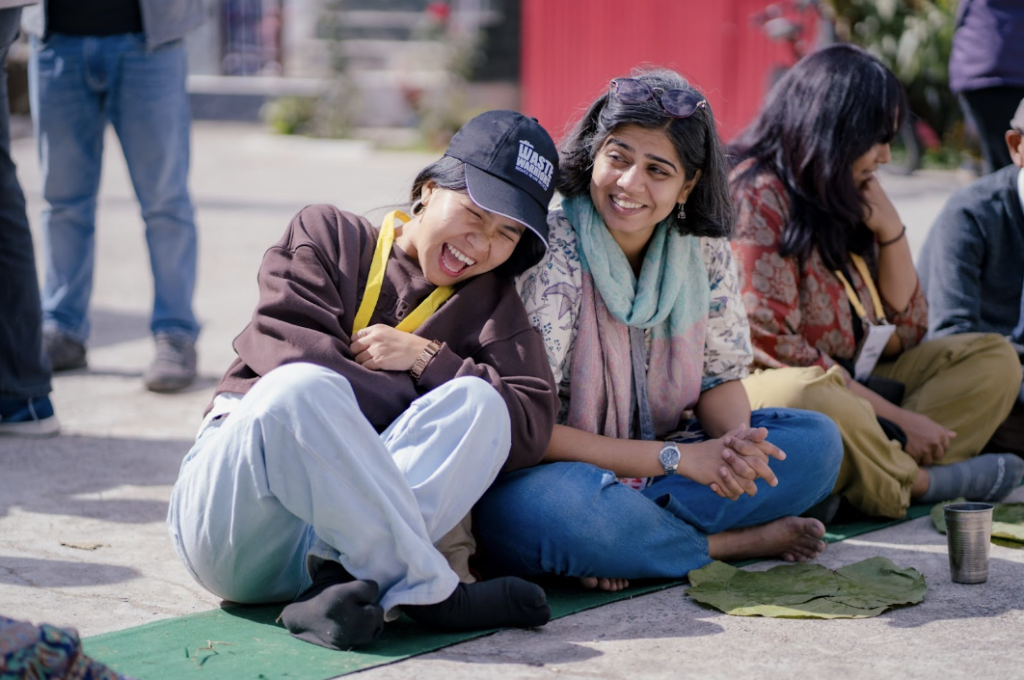
The goal was clear—move beyond conversations and build a roadmap for action.
When Did Waste Become Waste?
Among the many powerful voices at the summit was Loda Ji, a community leader from Arunachal Pradesh. He didn’t talk about policy changes or funding; instead, he posed a simple but profound question:
“When did waste become waste?”
The room fell silent.
He explained how, in traditional Himalayan communities, nothing was ever truly wasted. Food scraps were composted, clothes were patched and reused, and broken tools were mended. Even plastic, when it first arrived, was repurposed. Waste was never just ‘thrown away’—it always had value.
“We need to rethink our relationship with waste,” he urged. “What we throw away today had value yesterday. Why can’t it have value tomorrow?”
His words weren’t just an observation; they were a challenge. A challenge to unlearn, to look at waste differently, and to find solutions that align with sustainability in India.
A Panchayat’s Perspective – Budgeting for Change
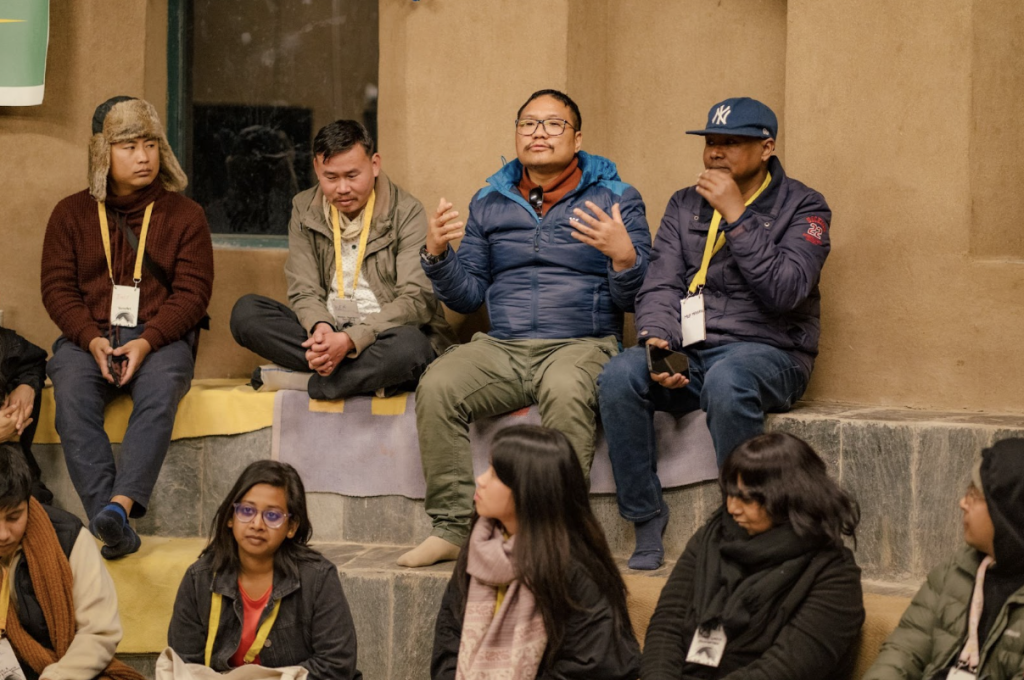
While Loda Ji spoke about rethinking waste, Dawa Choden, Phadamchen (Sikkim) Panchayat President, brought in a different perspective—governance.
“Yahan se jaake ab sab apni apni panchayaton ko dhoyega—everyone here will now go back to their respective Panchayats and get after their life,” she joked, acknowledging how overwhelming rural governance can be. “But let me tell you, if you understand how budgets work, you can make waste management a priority in every village.”
She laid out a critical roadmap for securing government funding. Many Panchayats can access specific budget allocations for waste collection services, composting initiatives, and awareness campaigns to tackle plastic pollution—but most leaders don’t know how to tap into these resources.
This conversation was a turning point. Many grassroot organizations at the summit had struggled with funding, unaware that government allocations could be a viable source of support. Dawa Ma’am’s insights provided them with a way forward.
Seeing Waste Management in Action
The Summit wasn’t just about discussions; it was about solutions in action.
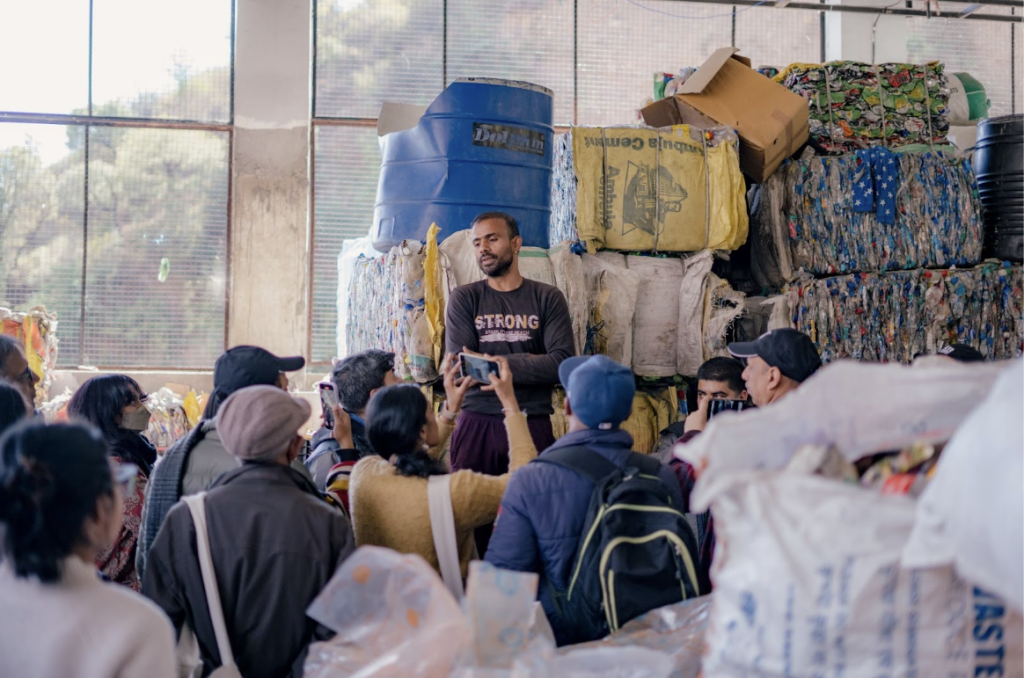
Participants visited Dharamshala and Bir to explore community-oriented waste management solutions in India.
- In Dharamshala, they toured a Material Recovery Facility (MRF) where workers carefully sorted plastic, metal, and organic waste.
- In Bir, they saw how a waste bank model allows locals to exchange plastic waste for essential goods, turning trash into currency.
But one of the most eye-opening moments came when they interacted with waste workers—the unseen backbone of waste management.
“We work with waste every day, but society treats us as invisible,” one worker shared. It was a stark reminder that waste management is not just an environmental issue—it’s a social one.
“Not just another WhatsApp group”: a Commitment to Action
The Summit concluded with a powerful commitment—this wouldn’t be just another gathering that fades into a WhatsApp group. To ensure that solutions move forward, two critical grants were launched:
- A Storytelling Grant to document and amplify the voices of waste warriors across the Indian Himalayan Region.
- A Programmatic Grant to support community-led waste initiatives tackling plastic pollution and improving waste collection services.
But more than financial support, a network was established. For the next three months, this group will continue meeting virtually to share ideas, resources, and mutual aid.
What Comes Next?
As the summit came to a close, one question lingered:
“How do we ensure that this momentum doesn’t fade?”
For Loda Ji, it was about rekindling our respect for waste. For Dawa Ma’am, it was about empowering Panchayats with funding and knowledge. For waste workers in Dharamshala, it was about dignity and fair wages.
And for all of us, it’s about making conscious choices—whether as individuals, community members, or policymakers.
The mountains have given us everything—clean air, pristine rivers, and breathtaking landscapes. It’s time we give back.
Are we ready to answer the call? Get to know more about work at Waste Warriors. We’d love for you to connect with us and contribute to our ground work.
Keshav Nautiyal
Manager, Communications